
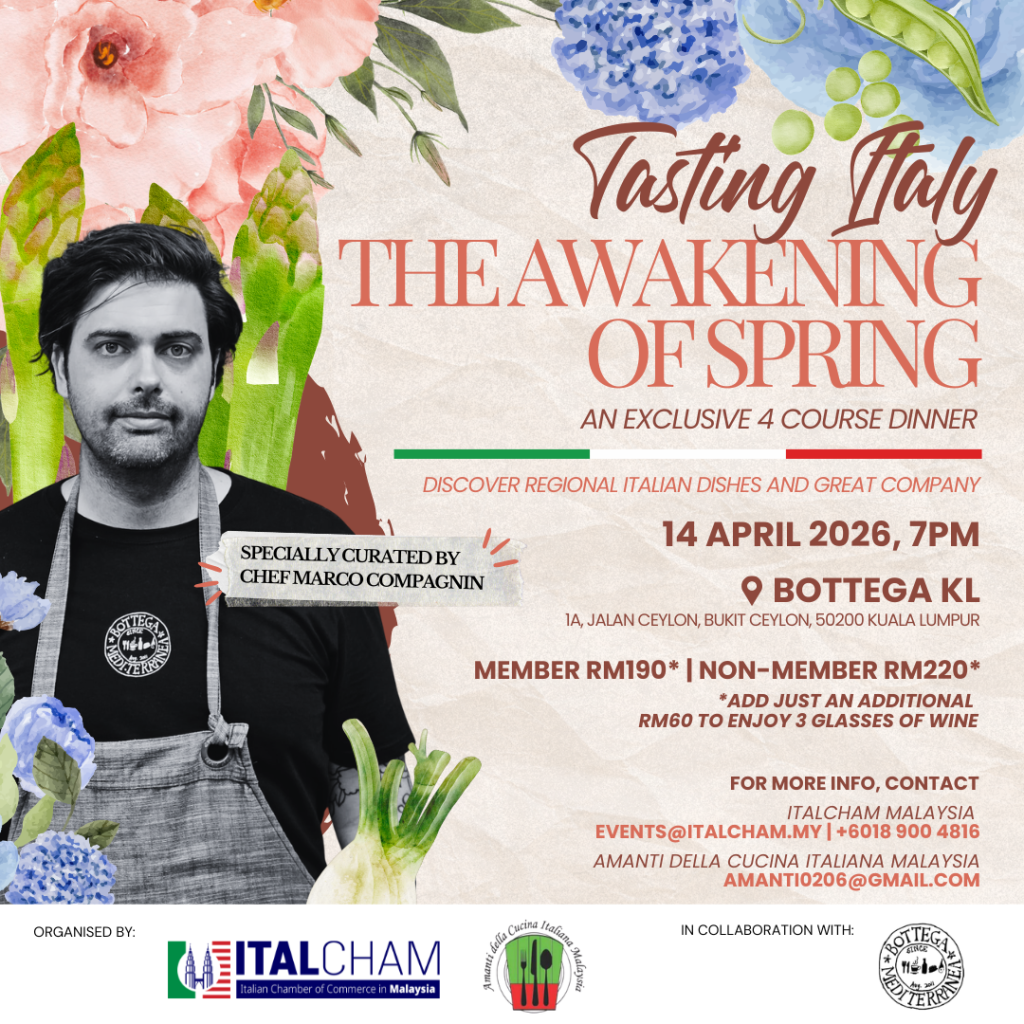
Chef Marco Compagnin, Bottega KL
Ahead of Tasting Italy: The Awakening of Spring, we speak with Chef Marco Compagnin of Bottega KL, behind the menu for a glimpse into the inspiration, seasonality, and stories shaping this culinary experience!
1. What first inspired you to become a chef, and how did your journey lead you to specialise in Italian cuisine?
My inspiration wasn’t found in a textbook, but in the steam of my grandmother’s kitchen. Growing up in Italy, food is the primary language of love and community. I was captivated by how a few simple, high-quality ingredients could be transformed into a memory. My journey led me to specialize in Italian cuisine because it is fundamentally honest; it doesn’t hide behind heavy sauces. It demands respect for the product, a philosophy that has guided me from my first apprenticeship to my kitchens today.
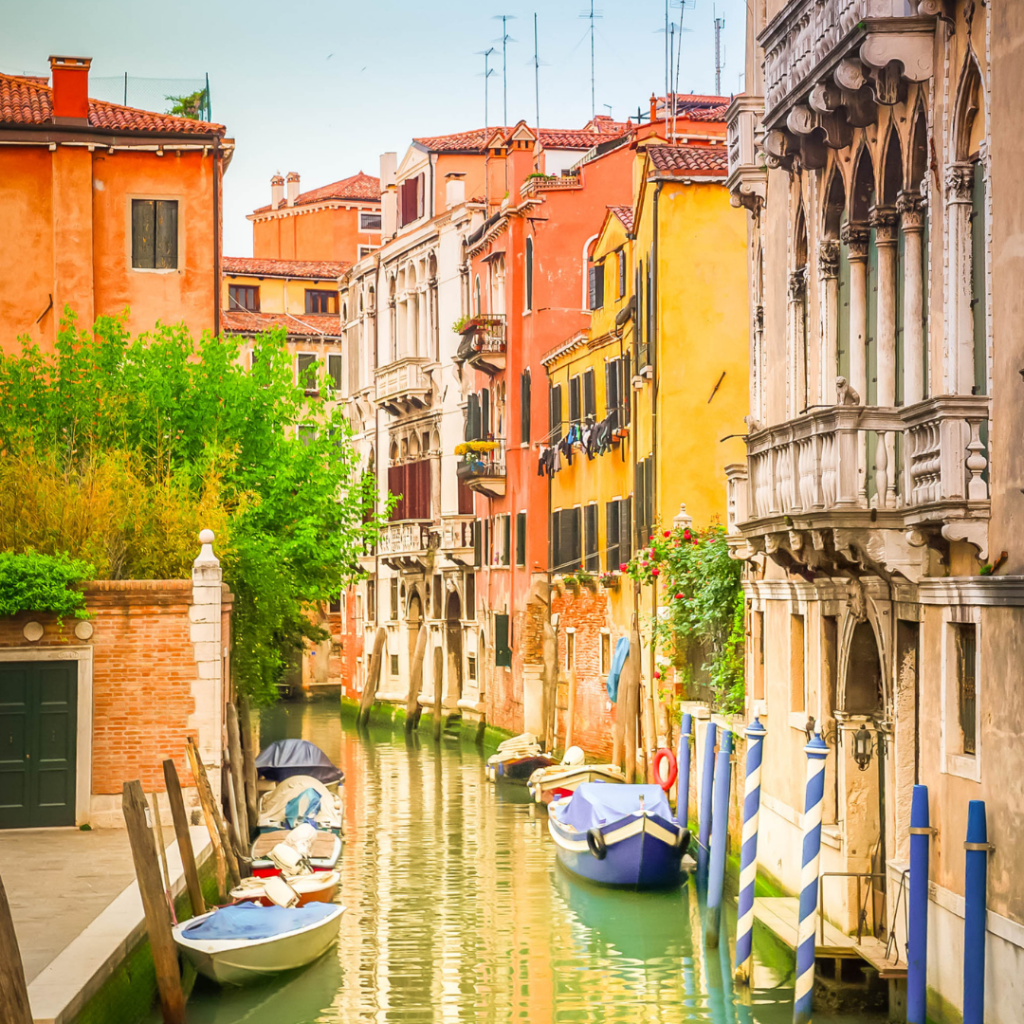
2. Coming from Venice, how have the region’s culinary traditions—particularly those tied to the spring season—influenced your approach to cooking and menu creation?
Essence of Italian Spring Cuisine
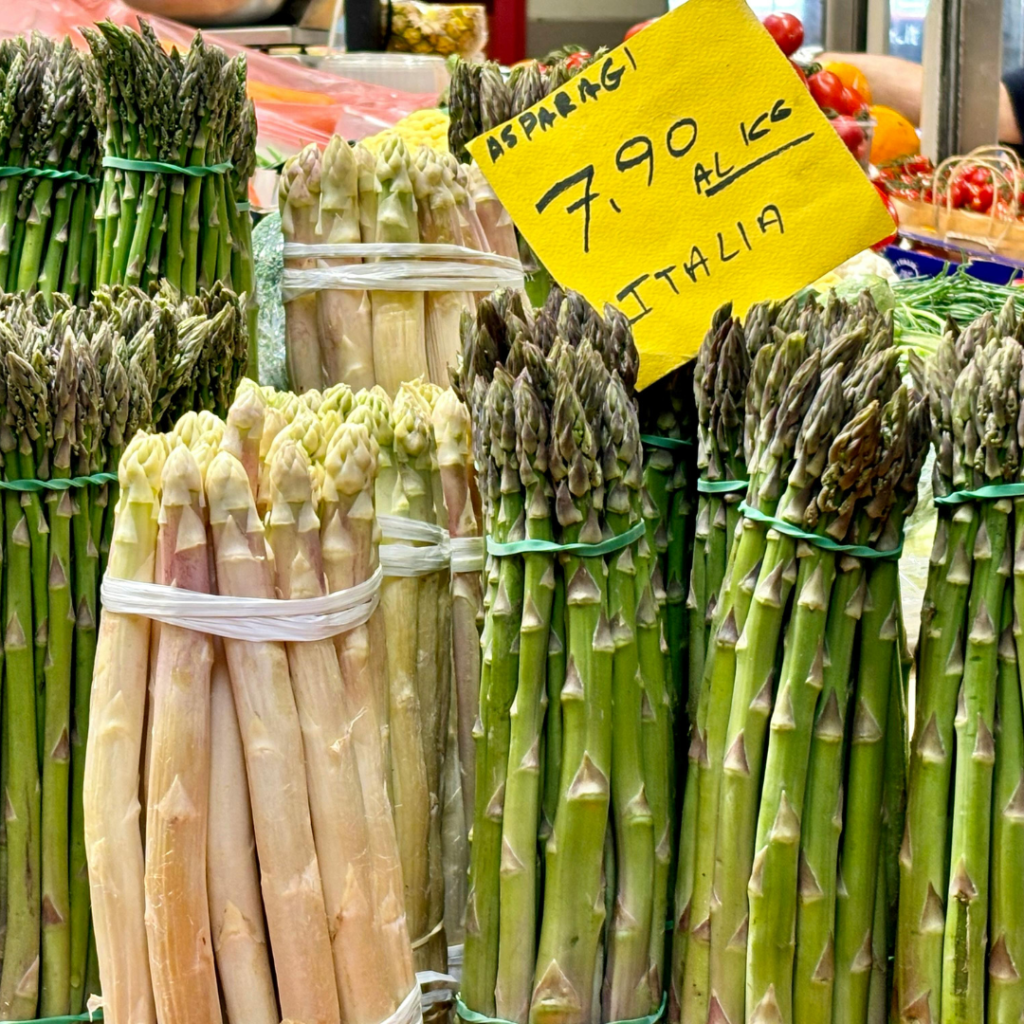
Venice is a city defined by the rhythm of the water and the gardens of the Laguna. In the spring, the region wakes up with a very specific vibrancy. We look forward to the Castraure (the first violet artichokes) and the delicate white asparagus from Bassano. These traditions taught me that timing is everything. My approach to menu creation is to treat the season as a fleeting guest—you must celebrate these ingredients while they are at their peak, or you miss the soul of the dish.
3. Which classic Italian spring ingredients or dishes best represent the season for you, and what makes them so integral to Italy’s culinary identity?
For me, spring is defined by White Asparagus, English Peas, and Broad Beans.
In Italy, spring isn’t just a change in weather; it’s the “Awakening.” These ingredients represent our culinary identity because they symbolize rebirth. The sweetness of a fresh pea or the slight bitterness of a spring radicchio tells the story of the earth warming up. We use these to lighten the palate after the heavy stews of winter, focusing on acidity and freshness.


4. For “Tasting Italy: The Awakening of Spring,” could you share the inspiration behind the menu and how each course reflects the season?
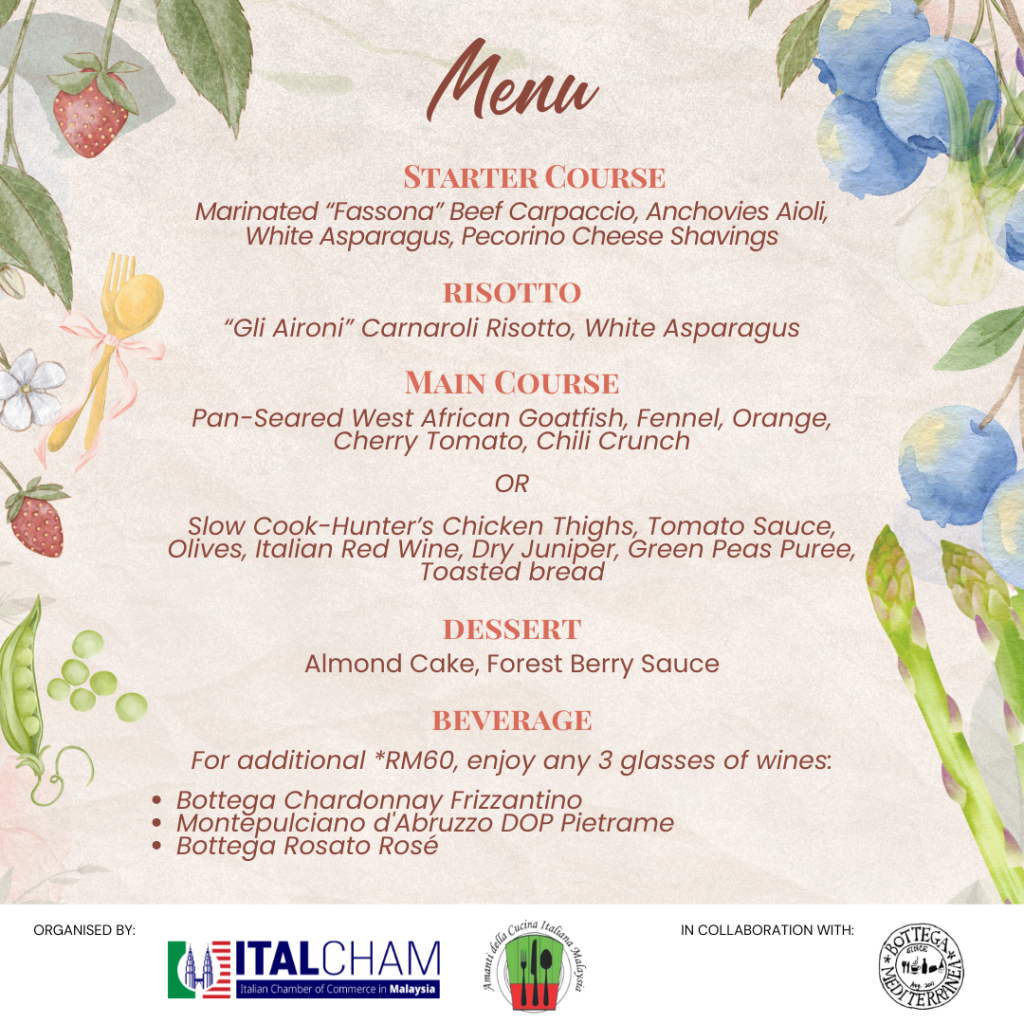
”The Awakening of Spring” is a chronological journey through a sunny Italian afternoon:
• Fassona Beef & White Asparagus: The lean, tender beef represents the earth, while the anchovy aioli provides a salty “sea breeze” typical of the Venetian coast.
• Carnaroli Risotto: This is the heart of the menu. Using white asparagus here creates a creamy, elegant texture that feels like a warm spring day.
• Goatfish vs. Hunter’s Chicken: A choice between the Adriatic Sea and the rustic Italian countryside (Cacciatora). Both reflect the transition from coastal light to rural depth.
• Almond Cake & Forest Berries: A bright, floral finish. The berries provide the “pop” of color and tartness that signifies the end of the meal and the start of the new season.
5. How would you describe Malaysian diners’ appreciation for Italian cuisine? Have you noticed any particular preferences, curiosities, or dining behaviours that stand out in this market?
Malaysian diners are incredibly sophisticated and adventurous. They have a deep “foodie” culture that mirrors Italy’s own. I’ve noticed a great appreciation for texture—Malaysians love the al dente bite of pasta once they understand the craft behind it. There is also a wonderful curiosity about regionality; guests are moving beyond “just pizza” and asking specifically about Venetian or Tuscan traditions, which is very rewarding for a chef.
6. Italian cuisine is often reinterpreted by chefs and diners around the world, including locally in Malaysia. What are your thoughts on these adaptations—such as incorporating local touches into dishes like pesto pasta—and how do you see the balance between staying authentic and embracing creative evolution?
Authenticity is a foundation, not a cage. While I believe the core technique must remain Italian, I embrace the dialogue with local surroundings. If a chef uses a local herb in a pesto because it is fresher than imported basil that has traveled 10,000 miles, that is an authentic culinary decision. The balance lies in “Creative Evolution”—using the Italian “logic” of cooking (respect for the ingredient) while being sensible about what the local land provides.
7. For diners who are new to Bottega KL, what can they expect from the overall dining experience in terms of atmosphere, culinary style, and what sets your restaurant apart?
At Bottega KL, diners should expect a “home away from home.” We aren’t about stiff white tablecloths; we are about the Aperitivo culture—vibrant, social, and soulful. What sets us apart is our dual nature: we are a deli (Alimentari) and a restaurant. You see the cheeses and cured meats being sliced fresh, you smell the bread, and you feel the hum of a real Italian bottega. It’s a slice of Italy in the heart of Kuala Lumpur where the quality of the product is the star of the show.